Quality Control: What You Need to Know
You placed your manufacturing order. Paid your deposit. Now you wait.
Weeks later, your products arrive. You open the boxes and... something's wrong.
Wrong color. Wrong size. Defects everywhere. Not what you ordered at all.
This nightmare happens when you skip quality control. Let's make sure it doesn't happen to you.
Why Quality Control Matters
You can't sell products that don't meet standards. Customer returns, bad reviews, and money lost.
Quality control catches problems before products leave the factory. Fix issues early or don't accept the order.
Pay for QC upfront or pay much more in returns and reputation damage later.
What Quality Control Actually Is
QC is verifying your products meet specifications before they ship to you.
QC Checks:
Measurements match specs
Materials are correct
Functionality works
Appearance meets standards
Packaging is proper
Quantity is accurate
Independent verification that you got what you paid for.
Your QC Options
Option 1: Hire Third-Party Inspection Professional QC companies inspect on your behalf.
Cost: $200-500 per inspection typically Pros: Professional, objective, experienced, detailed reports Cons: Adds cost, requires coordination Best For: First orders, overseas manufacturing, expensive products
Companies like Inline, TUV, SGS offer these services.
Option 2: Factory Self-Inspection Manufacturer inspects their own work.
Cost: Usually included Pros: No extra cost, manufacturer is motivated to pass Cons: Conflict of interest, may miss issues Best For: Established relationships, simple products, low risk
Trust but verify. At least for first orders, use independent QC.
Option 3: Inspect Yourself Visit factory to inspect in person.
Cost: Travel expenses
Pros: See everything directly, build relationship Cons: Time and money intensive, need to know what to check Best For: Complex products, large orders, nearby factories
Realistic mainly for domestic manufacturing or if you're visiting China anyway.
The AQL Standard
AQL (Acceptable Quality Limit) defines how many defects are acceptable.
Common AQL Levels:
AQL 0: Zero defects allowed (expensive, often unrealistic)
AQL 1.5: 1.5% defect rate acceptable
AQL 2.5: 2.5% defect rate acceptable
AQL 4.0: 4.0% defect rate acceptable
Most products use AQL 2.5. Critical products use 1.5. Adjust based on your quality needs.
Critical vs Major vs Minor Defects
Not all defects are equal.
Critical Defects: Product unsafe or unusable Example: Broken mechanism, safety hazard Action: Zero acceptable, fail inspection
Major Defects: Product works but significant quality issue Example: Wrong color, measurement off significantly
Action: Very few acceptable per AQL
Minor Defects: Small cosmetic issues that don't affect function Example: Small scratch, slight discoloration Action: More acceptable per AQL
Define these categories in your spec sheet.
Sampling vs Full Inspection
You usually can't check every single unit. Use statistical sampling.
Sample Sizes (for 1000 unit order):
AQL 2.5: Check about 80 units
Find 5+ major defects: Fail
Find 6+ minor defects: Fail
Larger orders use smaller percentage samples. Smaller orders check higher percentage.
ISO 2859 provides standard sampling tables.
What Inspectors Check
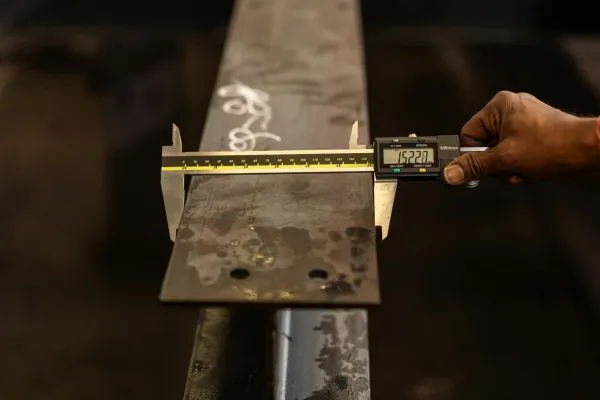
Measurements & Dimensions: Compare actual to your specifications. Tolerances should be defined (±2mm etc).
Materials: Verify correct materials used. Check durability, texture, weight.
Function: Does it work as intended? Test the mechanism or features.
Appearance: Color accuracy, finish quality, overall look.
Packaging: Correct packaging materials, proper labeling, protected for shipping.
Quantity: Correct number of units and proper carton count.
Pre-Shipment Inspection (PSI)
This is the main QC check, done when 80%+ of production is complete and ready to ship.
Timing: Before products leave factory Purpose: Catch problems while you still have leverage Result: Pass/fail decision with detailed report
Most critical QC step. Never skip this for first orders.
During Production Inspection (DPI)
Some people also inspect mid-production.
Timing: When 20-50% complete Purpose: Catch systematic issues early before all units are made Best For: Large orders, complex products
Adds cost but can save much more if major issues are caught early.
The Inspection Report
Professional inspections provide detailed reports with:
Report Includes:
Photos of products and any defects
Measurement data
Defect counts and classifications
Pass/fail decision
Recommendations
Review carefully. Ask questions. Don't just accept without reading.
When Products Fail Inspection
Your products fail QC. Now what?
Your Options:
Rework: Manufacturer fixes issues (takes time)
Discount: Accept products at reduced price for defects
Reject: Don't accept shipment, demand refund
Partial Accept: Take good units, reject bad ones
Depends on severity of issues and relationship with manufacturer.
Good contracts spell out what happens with failures.
The Rework Process
If manufacturer agrees to fix issues:
Rework Steps:
Clearly document what needs fixing
Agree on timeline
Manufacturer makes corrections
Re-inspection to verify fixes
Approval or further rework
Can take 1-4 weeks. Factor this into timeline.
Container Loading Check
For large shipments, verify loading is proper.
Container Check:
Correct quantity being loaded
Proper stacking and securing
No damaged products loaded
Correct shipment going to you
Prevents mix-ups and shipping damage.
Testing Beyond Visual Inspection
Some products need additional testing.
Special Testing:
Lab Testing: Chemical composition, durability testing
Safety Testing: Electrical safety, compliance certification
Performance Testing: Does it perform to specifications?
Drop Testing: Packaging protects during shipping
Budget for specialized testing if your product requires it.
Building Quality Into Design
Best QC strategy is designing quality in from the start.
Design Considerations:
Tight tolerances only where necessary (looser is cheaper)
Obvious quality checkpoints
Difficult to assemble wrong
Materials appropriate for use
Reasonable difficulty to manufacture
Easier to make = more consistent quality.
Factory Visits
If possible, visit your manufacturer.
During Visit:
See production firsthand
Check equipment and processes
Review quality procedures
Build relationship
Spot potential issues
One visit teaches you more than ten reports.
Documentation Is Critical
Keep detailed records of everything.
Document:
Original specifications
Approved samples
Inspection reports
Photos of issues
Correspondence about problems
Corrective actions taken
This protects you in disputes and helps improve future orders.
Ongoing Quality Management
After first order succeeds, maintain quality.
Ongoing QC:
Random spot checks on reorders
Customer feedback monitoring
Periodic factory audits
Continuous spec updates
Relationship maintenance
Don't assume quality stays consistent without checking.
The Cost-Benefit Analysis
QC costs money. Is it worth it?
QC Costs: $200-500 per inspection Bad Quality Costs: Returns, replacements, refunds, reputation damage = $thousands
One avoided bad batch pays for years of inspections.
Always worth it.
Red Flags During QC
Warning signs that signal bigger problems:
Red Flags:
Manufacturer resistant to inspection
Refusing photos or access
Rushing through inspection
Hiding certain areas
Inconsistent answers about processes
These suggest deeper issues. Investigate thoroughly.
Accepting vs Rejecting
Accept When:
Defects within AQL limits
Minor issues you can work with
Critical specs all met
Overall quality acceptable
Reject When:
Exceeds AQL significantly
Critical defects present
Safety issues
Major spec failures
You can't sell these products
Better to reject bad products than sell bad products.
The Learning Process
Your first QC inspection teaches you a lot.
You'll learn:
What issues commonly occur
Where your specs need tightening
What your manufacturer struggles with
What actually matters to customers
Use this learning to improve future orders.
The Bottom Line
Quality control isn't optional. It's essential.
Hire professional inspection for at least your first orders. Define clear standards. Check products before they ship.
Catching problems before shipping saves money, time, and reputation.
Bad products destroy businesses. Good QC prevents bad products.
Invest in QC. It always pays off.


